Single
Fresh releases
Tap a cover to preview it — it lands in the player and keeps rolling.
Single
Single
Single
Single
Single

Upcoming raves
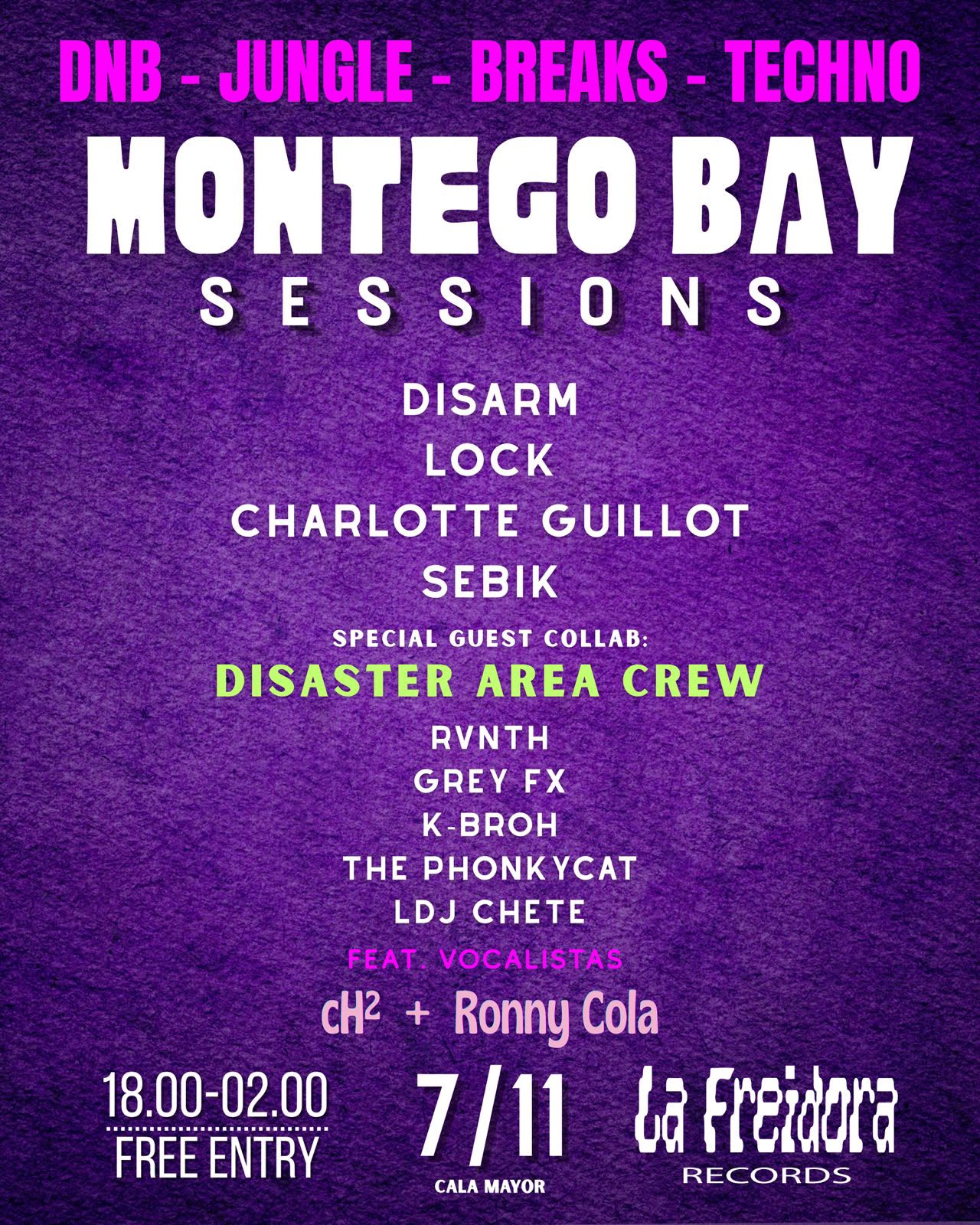
Happening nowParty7–15 Nov 2026
Montego Bay Sessions: La Freidora Records x Disaster Area
TBA - MONTEGO BAY BAR (CALA MAYOR)Mallorca, Spain
Jungle
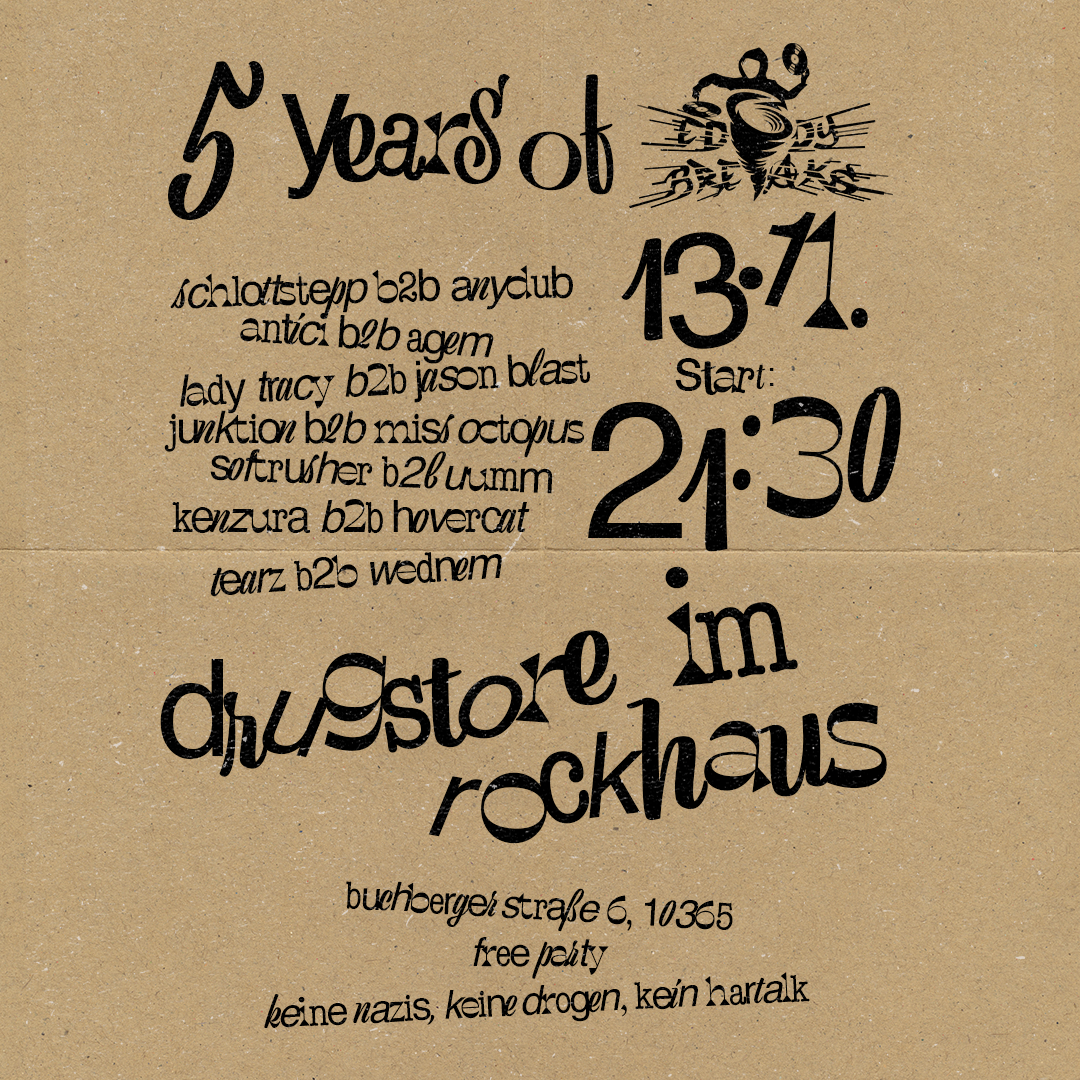
Happening nowParty13–15 Nov 2026
5 JAHRE EDDY BREAKS
Drugstore im RockhausBerlin, Germany
Line-up: Agem, Hovercat, Kenzura

Happening nowParty13–15 Nov 2026
Steel City D&B Winter Warmer with Danny Byrd + Aries
Sidney & MatildaSheffield, United Kingdom
Line-up: Aries, Danny Byrd, Lucid Dreams

Happening nowParty14:00–22:00
UKF Bristol
The Prospect BuildingBristol, United Kingdom
Line-up: Ad-Apt, A Little Sound, Anaïs, CLOVA, IC3, K Motionz

Latest mixes
Mix13 Nov
𝐊𝐨𝐬𝐞𝐧-𝐂𝐚𝐬𝐭 #71: MV
𝐊𝐨𝐬𝐞𝐧-𝐂𝐚𝐬𝐭 #71 : MV 🔥Promo set for Dangerous EP out on November 27 PRE-ORDER NOW : https://linktr.ee/kosenprod#627992439 Follow MV : IG : https://www.instagram.com/bass_music_mv/ SC : https://soundcloud.com/bassmusicmv Follow Kosen: www.kosenprod.com @kosenprod www.facebook.com/KOSEN.PRODUCTION kosenproduction.bandcamp.com/ www.instagram.com/kosenprod/ twitter.com/kosenprod www.youtube.com/channel/UCIbBlXzP1ovUmTYnf5JpswA #KosenRecords #KosenCast #DrumAndBass #Neurofunk #Toulouse
Latest videos




Radio shows & series
Artists in focus


From the scene
Article14 Nov
Roots: Before the First Jungle Chapter
Jungle did not appear from nowhere in 1991, and it did not appear from a single place. By the time the first records now called proto-jungle were pressed, at least five long histories had collided in London: the Jamaican habit of treating the recording studio and the sound system as instruments; the Bronx habit of looping the short, violent part of a record that makes people dance; the American house and techno that reached British ears between 1986 and 1988; the pirate-radio and record-shop networks of a city with a large Caribbean diaspora; and a rave economy that suddenly had thousands of paying customers and cheap samplers. This article follows those threads from the 1970s to the end of 1991, where the annual 1991 chapter begins. It is a prehistory, so it does not settle the question fans love to argue about, which is who made the first jungle record. The evidence is laid out as it stands and the answer is left open. What the sources do make clear is that Black British and Jamaican practice was not a flavour added to a white rave scene. It was the foundation the scene was built on, and the people who carried it were named, specific and mostly young. Kingston: the studio becomes an instrument The deepest root is a piece of electronics repair in Kingston. Osbourne Ruddock, known as King Tubby, was a sound-system technician who built and ran his own system, Hometown Hi-Fi. Sound systems in Jamaica competed on exclusives, and an exclusive could be as simple as a record with the singer removed. Producer Bunny Lee has dated the key moment to a 1968 session at Treasure Isle, where a rhythm-only mix became the "version" on a B-side. Tubby took the idea much further, routing existing recordings through reverb, delay and filters and muting and reintroducing parts in real time, and Lee "Scratch" Perry, whose Black Ark studio opened in 1973, made his own dense mix language from modest equipment. The studio had stopped being a place that captured a performance and become a place that performed. Dub also made the dubplate a status object. A sound system that owned a one-off acetate of a version nobody else could play had an advantage on the night, which is the logic that later drove jungle's culture of white labels and exclusive cuts. The same culture produced the deejay: U-Roy's toasting over producers' rhythm tracks put the microphone at the centre of the record, and the idea that an MC might matter as much as a vocalist travelled with the sound system wherever it went. Augustus Pablo — King Tubby Meets Rockers Uptown (1970s Jamaican dub) The point to hear is the bass: melody is decoration and the low end is the lead instrument. When a British DJ in 1991 let a sub-bass line carry sixteen bars while the drums danced above it, he was working in that tradition whether or not he had ever heard Tubby by name. Even hip hop's founding story begins in this system. Kool Herc, the Kingston-born DJ who threw the Back to School Jam at 1520 Sedgwick Avenue in the Bronx on 11 August 1973, moved with his family from Jamaica, and writers such as Jesse Stewart describe early hip hop as an African-American transformation of Jamaican sound system culture. Dub bass and the looped break, jungle's two main ingredients, share a parent. Tilbury to Ladbroke Grove: the system comes to Britain The Jamaican sound system arrived in Britain with people. The Empire Windrush passenger list, held by The National Archives, records 1,027 people arriving at Tilbury, a date usually given as 22 June 1948 although the list itself says 21 June. The ship was not the first to carry Caribbean migrants, but it gave a name to a generation that filled labour shortages and often met discrimination and downgraded work. Dance, in that context, was one of the few spaces a community controlled. Red Bull Music Academy's history dates the first British sound systems to the mid-1950s: Duke Vin and Count Suckle, both soundmen in Jamaica, arrived in 1954, and Vin built his rig, Tickler, in 1955, with Suckle's following shortly after. They played ska to crowds in Ladbroke Grove, and the same article places the founding of Notting Hill Carnival in 1959 under Claudia Jones. By the late 1960s Dennis Bovell, who had arrived from Barbados in 1965 at the age of twelve, could name the "big four" London systems as Count Benji, Duke Reid, Sir Coxsone and Neville the Enchanter, and describe a circuit of blues parties, weddings and christenings. That circuit is where the British side acquires its own sound. Red Bull's history records that Sufferah's Hi-Fi, the system Bovell joined, held its first soundclash against Jah Shaka on New Year's Eve 1975 at the Metro club in Ladbroke Grove. Shaka, born in Clarendon Parish, Jamaica, had come to the UK as a child in the early 1950s and settled in south-east London. His system became known for heavyweight, dubwise "steppers" and exclusive dubplates, and Resident Advisor's obituary credits him as a forefather of UK dub and notes that his records were sampled by Ray Keith, the Ragga Twins and Rebel MC. Jah Shaka — Commandments of Dub, Part 3: Lion's Share of Dub (1980s) In London, dub was produced as well as imported: Mad Professor (Neil Fraser) ran the Ariwa label from a studio in Croydon, and shops such as Peckings in Shepherd's Bush (1973), Dub Vendor in Clapham Junction (1982) and Supertone in Brixton (1984) served as hubs for imports. Channel One, run by Mikey Dread, Jah T and Ras Kayleb, has played Notting Hill Carnival since 1983. Bovell, who also fronted the band Matumbi, says lovers rock, the sweet, locally made reggae that second-generation Caribbean teenagers danced to slowly, was kick-started through Lloyd Coxsone's south London system; Janet Kay's "Silly Games" reached number two in 1979 as the genre's first top-ten hit. The 1981 film Babylon, loosely based on Bovell's experience, climaxes at a Shaka soundclash. Saxon, fast chat and the British MC If the bass came from dub, the voice came from the MCs. Saxon Sound System, formed in Lewisham in 1976, is the south-east London system most often credited with pioneering fast chat, a rapid-fire delivery in a London accent built on Jamaican deejays such as U-Roy and Brigadier Jerry. Peter King is usually named as its originator; the Quietus places his breakthrough at a Lewisham dance in 1982, Red Bull's account says Brockley, and he told the music press in 1985 that he had "done the fast style in 1982". Smiley Culture, Tippa Irie and Papa Levi followed. In 1984, Levi's "Mi God Mi King" topped the Jamaican charts, which Red Bull describes as a first for a British reggae record. Whether fast chat was a British invention is contested: the Jamaican producer King Jammy told Afropop Worldwide that speed rapping existed in Jamaica earlier. What is solid is the consequence. By the end of the 1980s a Black British MC who could ride a bassline at speed was a recognisable figure, and the formula of an MC, a DJ with exclusives and a stack of speakers moved easily from reggae dances into the rave. The Ragga Twins and Rebel MC are the most direct bridge. The Bronx and the break When Herc played his first big party, the crowd did not want the Kingston dance music he had grown up with. As JSTOR Daily summarises the scholarship, the Bronx wanted something different, so he played soul and funk records and isolated the most danceable parts, especially the drum passages, switching between them. History.com records that Herc called the technique the Merry-Go-Round, using two copies of a record to stretch the part where vocals and other instruments dropped out. The break was invented as a DJ's trick before it was a sampler's, and its logic is the one that governs a sound clash: find the moment the floor reacts to, and extend it. Two drum breaks became the raw material of British rave. Clyde Stubblefield's solo on James Brown's "Funky Drummer" was an obscurity until a 1986 Polydor compilation, In the Jungle Groove, put it before producers, and Public Enemy used it on seven tracks; Stubblefield was paid a one-time union-scale fee. The Amen break comes from the Winstons' "Amen, Brother", the B-side of "Color Him Father" in 1969, in which drummer Gregory C. Coleman plays roughly seven seconds of solo drumming. Mixmag notes that the band received no royalties and that Coleman died in 2006. The Winstons — Amen, Brother (1969) The break's path into dance music is traceable. "Amen, Brother" appeared on the Ultimate Breaks and Beats series in 1986, aimed at DJs who wanted clean drum breaks, and Salt-N-Pepa's "I Desire" was one of the earliest records to sample it that year. N.W.A.'s "Straight Outta Compton" opened with it in 1988, and Mantronix's "King of the Beats", the record Lennie De Ice would later chop it from, made it central to the track. Mantronix — King of the Beats (1988) The Amen's importance for jungle is not that it was rare, since it was in thousands of records, but that British producers treated it differently: chopped, a few seconds of drums became a rhythm that could be rearranged endlessly. "The" jungle sound is a simplification, since other breaks circulated through the same record bags, but the Amen is the one that stuck. Samplers, computers and a very British hip hop Breaks were no use without machines that could capture them. One sampler recurs in accounts of the period, the Akai S950, which dates to 1988 and was the first Akai to offer time stretching, letting a producer change a loop's speed without altering its pitch. Lennie De Ice, whose story comes below, chopped his Amen break on one, and the Quietus account of the record adds that he sequenced it on an Atari ST. Kenny Ken, one of the key DJs of the break from hardcore to jungle, started in 1988 after buying Technics decks and teaching himself to mix. British hip hop was the immediate training ground. The Google Arts & Culture history of UK hip hop lists early records by Dizzy Heights, Bo Kool and Derek B, and describes how London Posse fused ragga and dancehall with British accents. Cookie Crew, from Clapham, were the first all-female UK hip hop act signed to a major. The label Music of Life, run by Simon Harris, supplied a DJ-tool record with spin-backs and gunshot effects that Lennie De Ice sampled, according to the Quietus. The bedroom hip hop producer and the Hackney sound-system DJ who knew how a ragga MC should sit on a break were, in several cases, the same people. Chicago and Detroit: the American sound reaches London House music began in Chicago. The Warehouse club, where Frankie Knuckles was resident DJ from about 1977 until the early 1980s, gave the music its name according to the most common account, and Ron Hardy carried the sound onwards at the Music Box. Chicago labels Trax and DJ International (founded 1985) pressed the records that went round the world; Trax released Phuture's "Acid Tracks" in 1987, usually cited as the first acid house record on vinyl. In Britain, Farley "Jackmaster" Funk's "Love Can't Turn Around" peaked at number 10 in 1986, and in January 1987 Steve "Silk" Hurley's "Jack Your Body" reached number one, proving house could cross over. Detroit's contribution was harder and more futuristic. In 1988 Virgin's 10 Records issued Techno! The New Dance Sound of Detroit, compiled by Neil Rushton and Derrick May, with tracks by Juan Atkins, Kevin Saunderson and May. It was a commercial disappointment, but it fixed the word "techno" in British minds, and for many listeners in England, Belgium and Germany it was their first exposure to the music. Inner City's "Big Fun", from the same circle, was a crossover hit in autumn 1988. Rhythim Is Rhythim — Strings of Life (1987) Hardcore was never simply a faster house, but house and techno supplied the grid, the piano and the bleeps. Ibiza, Italy and the second summer of love British dance culture of 1987 had an unlikely origin: a birthday holiday. Danny Rampling has described going to Ibiza in 1987 with Paul Oakenfold, Johnny Walker and Nicky Holloway, introduced to afterhours Ibiza by Trevor Fung, and spending a night at Amnesia. The sources disagree on the month of the trip and the opening date of Rampling's club, but the arc is consistent. Rampling launched Shoom in autumn 1987 in a space for about 250 people, with Carl Cox, an early visitor, in the crowd. Oakenfold's Spectrum followed at Heaven in 1988. In Manchester, the Haçienda, open since 21 May 1982 and run by Factory Records, had begun playing house in 1986, and its acid house night "Hot" began in July 1988. Italy was part of the story too. Black Box's "Ride on Time" was released on 31 July 1989, built around an Akai S900 and a sampled Loleatta Holloway vocal; it reached number one in the UK in early September, stayed six weeks and became the UK's best-selling single of 1989. Oakenfold and Rampling are said to have bought up early pressings in Italy and brought them home. The British press noticed quickly, and badly. According to Mixmag's account, the Sun ran its first acid house story on 17 August 1988, about Spectrum at Heaven, then owned by Richard Branson. A young woman's death after taking ecstasy in October 1988 drove the panic harder, and in June 1989 reporters from the Sun and the Daily Mail went undercover at a Sunrise rave and called it "Ecstasy Airport". "Second summer of love" is the standard shorthand for 1988 and 1989, but it came with the crackdowns. Warehouses, fields and the orbital: the rave explosion Clubs had licences and closing times. The thing that changed British dance music was the decision to hold the party somewhere with neither. Tony Colston-Hayter ran the Sunrise parties and was branded "Acid's Mr Big" by the press; Tintin Chambers and Jeremy Taylor ran Energy. Carl Cox has described a Sunrise party in 1988 near Oxford for about 15,000 people, where, he says, his name on a flyer later became a stamp of approval for parties across the country. The rave archive lists Biology, Genesis, Sunrise and Energy among the warehouse and orbital crews of 1988 to 1990, and records that the first Raindance was held at Jenkins Lane in 1989, organised by Paul Nelson, Lou Lewis and Ray Spence. Helter Skelter was founded in 1989 by David and Penny Pratley. As the police and press closed in on inner London, the scene went outwards. Mixmag's account says acid house was pushed out of London and the illegal rave scene moved to the M25 orbital, and records the June 1989 stunt in which tabloid reporters infiltrated a Sunrise rave at White Waltham airstrip in Berkshire. Early in 1990 the so-called Bright Bill, which became the Entertainments (Increased Penalties) Act 1990, increased penalties for organisers of unlicensed parties, and the Sun ran an editorial headlined "Ecstasy! The party's over." It was not. The scene moved into licensed venues and larger events. Promoters that the rave archive describes as building repeat audiences between 1991 and 1993 include Fantazia, founded by James Perkins, Gideon Dawson and Chris Griffin and rooted in Cheltenham; Amnesia House; Universe; and Obsession. Dreamscape grew out of the ESP events in Northamptonshire and Milton Keynes. In east London, Telepathy sat at the centre of a hardcore and pirate-radio circuit, and Kenny Ken's profile lists World Dance, Telepathy and Helter Skelter among the regular bookings of the early 1990s. The economic fact matters more than the folklore: a rave drew thousands of customers, which paid for sound systems and DJs and made a record nobody else owned worth having. Lennie De Ice's We Are I.E., according to the Quietus, was played by DJ Randall in summer 1991 at a rave of about 6,000 people; the crowd's first reaction was muted, and on the second play, as Randall's final tune, the dancefloor erupted. A new idea needed a room that size to hear it twice. For dating purposes: the Criminal Justice and Public Order Act 1994, which gave police powers against outdoor raves and defined their music as "wholly or predominantly characterised by the emission of a succession of repetitive beats", is post-1991 context. The 1990 Act is the law that applies to the period covered here. Pirate radio, tape packs and the record shop A rave lasts a night. A pirate radio station lasts all week, and it was the pirates that turned scattered parties into a scene with a shared vocabulary. Kiss FM is the template. It began broadcasting on 7 October 1985 on 94 FM, first to south London and then across the capital, as a pirate, and in 1986 founder Gordon "Mac" McNamee sold shares to ten DJs including Norman Jay, Trevor Nelson and Tim Westwood. It won a London licence in December 1989 and began broadcasting legally as Kiss 100 on 1 September 1990, with Norman Jay hosting the first full show. Legal Kiss moved indoors; the pirates carried on with what was too fast, too raw or too new for a licence. Fabio presented an afternoon show on the Brixton station Phase One in 1984, which led him to Oakenfold's Spectrum, and he first worked with Grooverider at Mendoza's, a Brixton shebeen beneath the station. Kenny Ken's early radio exposure came on Centreforce and later Dance FM. The rave archive groups rave-era London pirates in periods: Centreforce, Fantasy, Sunrise and Friends for acid house and early rave (1987–90); Dream FM, Weekend Rush, Pulse, Defection and Eruption FM for hardcore moving towards jungle (1991–94), with Don FM and Rude FM also listed. These are period labels, not launch dates, and the archive names almost no individual shows. Kool FM is the station the 1991 chapter treats as a symbol. According to Vice, it was founded in 1991 by DJs Eastman and Smurff, and its first show went out on 28 November 1991 from a bedroom in Banister House, a Hackney housing estate, with the transmitter on a roof at Clapton Square. It broadcast only at weekends at first, to dodge raids, and its early output was mostly hardcore, including Joey Beltram and XL Recordings releases; a DJ from the station later recalled that jungle "hadn't even been born yet". The Ragga Twins were involved almost from the start. Radio created a second economy, in cassettes. Tape packs, recordings of live shows copied and circulated by listeners, carried a DJ's sets beyond his transmitter's range, and the AWOL tapes from Kenny Ken's residency at the Paradise Club are listed among the most circulated recordings of early jungle. Record shops did the same job for vinyl. Blackmarket Records opened in 1988 on D'Arblay Street in Soho, first for house and techno fans before becoming a mecca for the new breakbeat music. In Forest Gate, De Underground Records at 18 Sebert Road traded from 1991 to 1996 under Mike De Underground, DJ Randall, Cool Hand Flex and Uncle 22; the Quietus tells how Lennie De Ice met "Long John" Aymer there, who put out We Are I.E. on the I.E. imprint. The Romford label Suburban Base, listed by the rave archive as dating from 1991, grew out of the Boogie Times imprint. When 4hero's first records sold, shops including Zoom and Blackmarket each took 250 copies, and distributor Pacific Records handled a three-track 12-inch that moved about 28,000 copies. Hackney, Brixton, Stevenage: the crews who made the break The people who bridged hardcore and jungle came from a handful of neighbourhoods and a particular set of habits. Shut Up & Dance, Philip "PJ" Johnson and Carl "Smiley" Hyman, grew up in Hackney's reggae sound-system scene. Their first sound, Transistor Warrior, played a church hall at Lea Bridge Roundabout in 1982, and they later ran Sir Lena and Heatwave and worked with the DJ Hype. According to Clash, their record "5, 6, 7, 8" was pressed in 500 copies and sold out in a day, and "£10 to Get In", released around Christmas 1989, is described as a blueprint for the jungle sound. The Ragga Twins, Flinty Badman and Deman Rocker, the Destouche brothers from Hackney's Unity sound system, teamed up with the duo within a year of 1989. Their "Illegal Gunshot" followed in 1990, then "Hooligan 69" and "Shine Eye"; the Ransom Note describes the first as a mix of ragga chat, rave synths and hip hop breaks. Ragga Twins — Illegal Gunshot (1990) In the same period Rebel MC and Double Trouble were doing something similar on a more commercial scale. "Street Tuff", on Desire Records, entered the Official Singles Chart on 7 October 1989, reached number three and spent 16 weeks on the chart, and "Wickedest Sound", with Tenor Fly, reached number 43 in April 1991. Rebel MC and Double Trouble — Street Tuff (1989) Reinforced Records, founded around 1989 and 1990 by Marc Mac, Dego, Gus Lawrence and others, put out 4hero's "Mr. Kirk's Nightmare" on the Combat Dancin' EP in 1990. The first thousand pressings sold out in a weekend, and Gus Lawrence describes the track, built around a loop that played forwards and backwards in sync and a controversial vocal sample, as a London take on dance music that did not yet have a genre name. 4hero — Mr. Kirk's Nightmare (1990) In Stevenage, Rob Playford began Moving Shadow in 1990 in a bedroom, selling his own white labels; the first release with the Shadow prefix was the Psychotronic EP by Earth Leakage Trip in 1991, and 2 Bad Mice's "Bombscare" followed in 1992. Production House, in London since 1987 according to the rave archive, put out some of the era's hardcore under Acen, DMS and Baby D. The DJs at the centre were as influential as any producer. Fabio and Grooverider, who met through Phase One, were residents at Rage, a Thursday night at Heaven run by promoter Kevin Millins that sources date to late 1988 (Mixmag dates the pair's residency to 1989). Early guests included Derrick May and Frankie Knuckles; after about two years the club stopped booking guests and the residents played German and Belgian techno, early jungle, New York house and breakbeats with hip hop roots, including 4hero's "Mr. Kirk's Nightmare" and records on Ibiza Records. Fabio's policy, as he puts it, was that if they liked it, they played it. Rage closed in 1993. The name "jungle" is attached to Rage in a retrospective story: a dancer, Danny Jungle, shouted "jungle" at the breakbeat records and the floor shouted back, and Grooverider claims to have coined the term. The Clash account notes the origin of the name is disputed. Other DJs of the break are documented thinly. Kenny Ken began DJing in 1988, played the Crazy Club residency with Jumpin' Jack Frost and Ray Keith, and built his reputation at the AWOL night at the Paradise Club. Carl Cox, who played Sunrise in 1988, released his debut single "I Want You (Forever)" on Oakenfold's Perfecto label in 1991, using the Amen break; he reached number 22 on the charts per his own account (another source says 23). Several other figures commonly named in this story could not be profiled from the sources opened for this article. 1990 and 1991: the records that point sideways By 1990 enough records existed that, looking back, a line can be drawn through them, although nobody drew it at the time. The Vinyl Factory asked artists to pick "proto-jungle" records, and the answers show how loose the term is. Rum & Black's "F**k the Legal Stations" (Shut Up & Dance, 1990) was chosen for its jungle bass and slightly out-of-sync samples. A Guy Called Gerald's "28 Gun Bad Boy", a Columbia white label probably in 1990 or 1991 and issued on Juice Box in 1992, was singled out for breakbeats, a dread sub-bass and a small ragga sample. Satin Storm's "1999" (1991) was described as "not house, it's not hardcore and it's not yet jungle". Psychotropic's "Hypnosis" (02 Records, 1990) was, according to JD Twitch, big in early rave scenes in Holland, Belgium and San Francisco. In Bristol, a parallel line ran through reggae sound systems. Smith & Mighty, active from 1987, released breakbeat reworkings of "Anyone Who Had a Heart" and "Walk On By" on their own Three Stripe label in 1988, both of which charted, and produced Massive Attack's first single, "Any Love", the same year. Their approach, a dub bassline under sampled breaks, was later called the Bristol sound; in 1988 they were not hardcore. Smith & Mighty — Anyone (1988) Then came Lennie De Ice. We Are I.E. was recorded, depending on the account, in December 1988 or in 1989, in the producer's flat on the Beaumont estate in Leyton, when he was 18. He had come to dance music via electro, hip hop and rare groove and had his first rave in a Stratford warehouse in 1987. The record's parts tell the story of the hybrid: an Amen break chopped from Mantronix's "King of the Beats" on an Akai S950 sequenced on an Atari ST, spin-backs and gunshots from a Music of Life DJ-tool record, a Roland TR-505 kick, a dub bassline influenced by reggae and steppers, and a vocal phrase from the Algerian song "N'Sel Fik". According to the Quietus, the 12-inch came out on a four-track EP through the De Underground shop in Forest Gate in 1991; the London Museum holds an early pressing that also carries tracks by Uncle 22, A-Sides and Cool Hand Flex. Sources variously name Reel 2 Reel Productions and I.E. Records as the label. Lennie De Ice — We Are I.E. (1991) Grooverider later told Red Bull Music Academy that it "changed the game". In the same weeks SL2's "DJ's Take Control" / "Way in My Brain" entered the UK chart on 2 November 1991 and peaked at number 11, a measure of how the sound looked as pop. Who made the first jungle record? A contested question The standard shortcut is that We Are I.E. is the first jungle record. The Quietus, which tells its story well, calls it a strong contender for the zero point of jungle, while noting that earlier tracks, including the Ragga Twins' and Shut Up & Dance's 18" Speaker, were already in circulation. The London Museum credits the record with helping to launch the genre. Clash's account calls Shut Up & Dance, in the words of "many", the founders of jungle, but adds that they did not invent the music alone. The Vinyl Factory lists records from 1990 and 1991 that sound like jungle's ingredients, and a 1992 record on Ibiza Records, Progression's "Lost in the Jungle", that sounds more like the thing itself. Each claim depends on a definition: the Amen break, a ragga vocal, a dub bassline, a certain tempo, or the name. The name has no single inventor either. Danny Jungle, Grooverider, the Jamaican "junglists" and Rebel MC are all named in the accounts, and Wikipedia's summary adds that MC Navigator says he first heard "junglist" in 1991 as a sample on a Rebel MC record. This article does not rank them: the evidence for each is retrospective and sometimes conflicting. Not only London: the global streams The London story is the one with the best archive, and that can mislead. At least four other streams fed it, and each had its own cities, clubs and labels. The Caribbean diaspora and beyond. The Caribbean thread was never only Jamaican: Dennis Bovell came from Barbados, Duke Vin and Count Suckle from Kingston, and Lennie De Ice's record carries a vocal from an Algerian song. The migrations that built London's Black communities, and the sounds that travelled with them, are present in the music as sampled voices and bass weight rather than as a separate genre. Belgium and new beat. Boccaccio, a mega-club near Ghent, opened in June 1987 according to the DJ Eric Beysens. New beat, played slower than most dance music, was a Belgian creation between roughly 1988 and 1991, and its records, including A Split Second's "Flesh" and Confetti's "The Sound of C" (reported to have sold about 300,000 copies), circulated across Europe. R&S Records, based in Ghent, took the Belgian taste for hard electronic rhythm into the UK charts: Red Bull's history records that its first twenty releases charted in the UK top 50 through the Outer Rhythm imprint. A Neon record, "Don't Mess With This Beat", was later sampled by 2 Bad Mice and Psychotropic, two British hardcore acts. The United States, beyond Chicago and Detroit. New York contributed some of the hardest records. Mundo Muzique, from Queens, and Joey Beltram made "Mentasm" as Second Phase for R&S; the lead came from a Roland Alpha Juno patch called "What The" and later became known as the hoover sound. Muzique played the riff for Renaat of R&S in Belgium and finished the record a couple of months later in New York, and Fabio recalled mixing the Prodigy into "Mentasm". Red Bull's history of new beat also reports that Belgian tracks with breakbeats helped shape New York's Storm Raves, and that the UK then developed those elements further. That is a transatlantic loop of influence, not a one-way export. Germany. Frankfurt's Omen opened in 1988; in Berlin the first UFO party was held in 1988, and Tresor opened in March 1991 in a former bank vault near Leipziger Platz. The Love Parade of 1991 drew, supposedly, 6,000 people. Frankfurt also produced Marc Acardipane's "We Have Arrived", written in 1990 and released in 1991 on Lenny Dee's Industrial Strength label, which the Netherlands Institute for Sound and Vision's history calls the first hardcore track ever made. The Netherlands. House reached Amsterdam in late summer 1988. In Rotterdam, DJ Rob began a Friday residency at Parkzicht in December 1989, Holy Noise's "James Brown is Still Alive" was a major hit in 1991 and Paul Elstak's Rotterdam Records launched in 1992 as the first Dutch hardcore label. The first Rave The City took place in The Hague on 28 September 1991. Gabber began at much the same time as UK hardcore. Italy. Black Box's "Ride on Time", made by an Italian trio, was the UK's best-selling single of 1989, and Oakenfold and Rampling are said to have brought early copies back from Italy. The documentation for Italo house is thinner than for Chicago or Detroit, and this article does not try to map it further. What is established is that by 1991 British hardcore producers were sampling Belgian records and borrowing American riffs. What is thinly documented is the reverse traffic. JD Twitch says Psychotropic's "Hypnosis" (1990) was big in early rave scenes in Holland, Belgium and San Francisco. Kenny Ken's first overseas booking, in Majorca with Bryan Gee, is dated around 1992, just after the period covered here, and he played Toronto with MC GQ in 1994. Those are fragments, not a history; a proper account of UK jungle's first international contacts has to be written from later years. Why then, why there: the conditions of 1991 Put the pieces side by side and the timing stops looking mysterious, though it does not become inevitable. The cultural base was already in place. A Caribbean diaspora with a history of more than three decades of sound systems, blues parties, record shops and MC culture gave London an audience that knew how to listen to bass and read an MC, as well as a pool of young people who had grown up with that music. Fast chat, lovers rock and dub were everyday music in Lewisham, Brixton and Hackney, and Shut Up & Dance, the Ragga Twins and Fabio all grew up inside it. The tools had become cheap. The S950, with time-stretching, arrived in 1988, and an Atari ST could sequence it. A young producer in Leyton or Stevenage could make a record in a bedroom and press a few hundred copies. The market appeared almost overnight. The acid house boom of 1988 and 1989, the move into fields and warehouses, and the licensed events that followed created a paying audience of thousands every weekend, with promoters who needed new records every week. Blackmarket, De Underground, Zoom and Boogie Times turned a white-label economy into a living. A 1990 law raised penalties for unlicensed parties, and the parties moved into licensed venues and bigger events. The media were pirate. Between Kiss's legalisation in 1990 and the founding of Kool FM in November 1991, the pirates were where a record from a bedroom in Hackney could reach a whole city in a week, and they built the tape-pack economy that spread sets beyond transmitter range. And the tempo moved. The sources opened for this article give only fragments: the 1991 release of We Are I.E. is reported to have been remixed from 118 to 130 beats per minute, and Wikipedia's summary of jungle says breakbeat hardcore was fragmenting by 1992 and 1993 into happy hardcore, darkcore and jungle. In plain terms, hardcore sped up and split. One branch kept the piano and the euphoria, and the other kept the break and the bass and went darker, toward what Grooverider and Fabio were already playing at Heaven and what people would soon call jungle. By the end of 1991, that split had not yet happened, but every ingredient was on the table. The Amen break was circulating in the studios of Leyton and Hackney. A ragga MC could be heard on a pirate transmitter in Clapton. SL2 were in the UK top 20, Rebel MC's "Wickedest Sound" had come and gone in the chart, and a dub-heavy twelve-inch from Forest Gate was being played, for the second time in a night, at a rave of some six thousand people. The 1991 chapter picks up there, with a name still to be argued over and a sound that would be unmistakable within two years.
News14 Nov
Raimond Lige and 17th Wave Release Joint Debut Album “METAMORFOOS”
News14 Nov
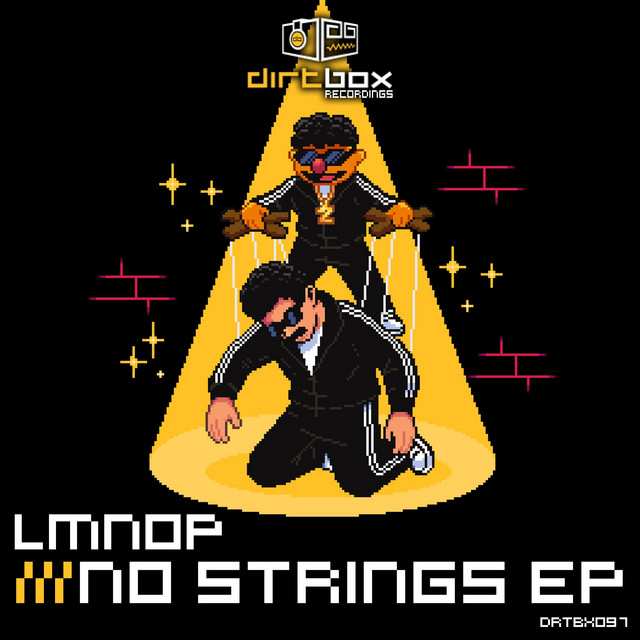
LMNOP land on Dirtbox Recordings with the No Strings EP
News14 Nov
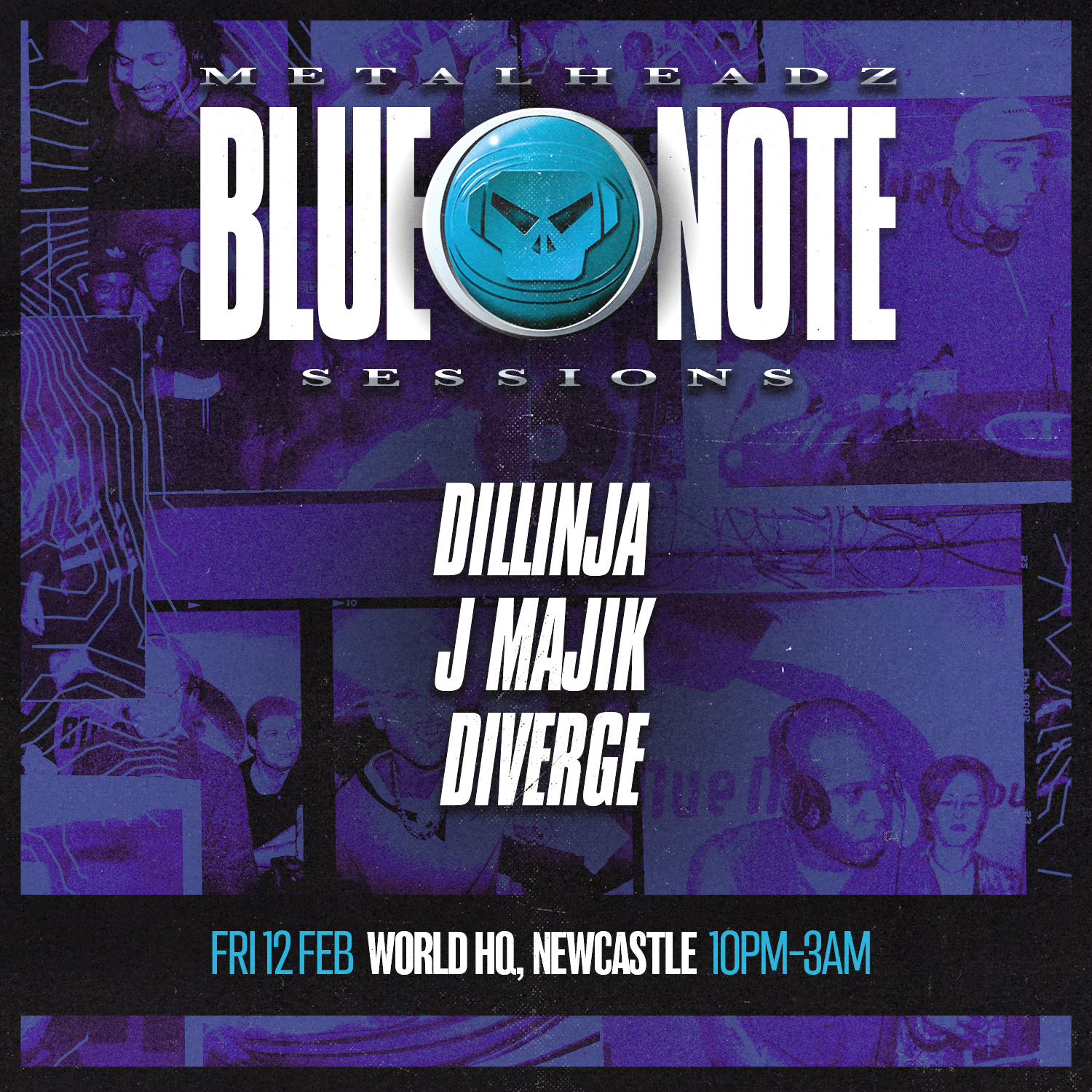
Metalheadz takes Blue Note Sessions to Glasgow, Edinburgh and Newcastle in early 2027
Article14 Nov