Samba swing on a rolling break
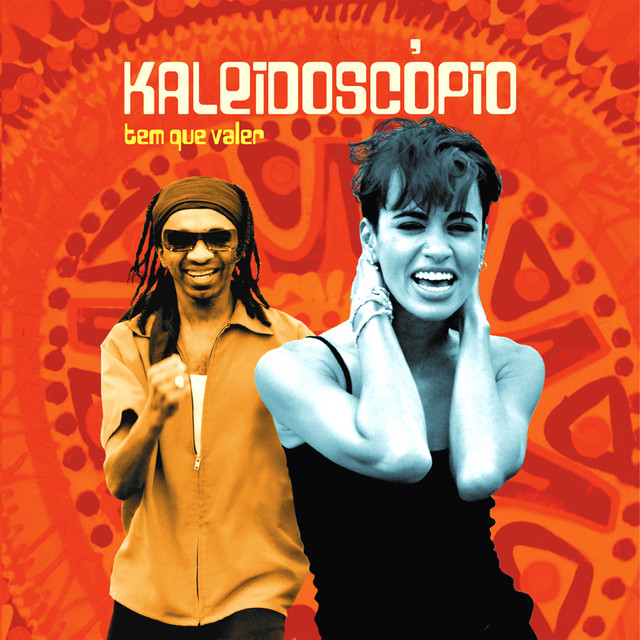
Sambass is what happens when a rolling break picks up a cuica and a bossa guitar and heads to São Paulo. Also written "drum 'n' sambass" or "drum 'n' bossa", it is a regional form of drum & bass, mostly native to Brazil and closely tied to the São Paulo scene. Heads hear Latin rhythms from samba and bossa nova riding the break, and the style came up from the streets alongside funk carioca.
The term is credited to DJ Patife, who coined Sambass for a string of tracks and remixes. The name is a portmanteau of samba and bass. Don't mistake the label for the whole country, though: Brazilian drum & bass is broader, and BTK, for one, works a much darker, grittier neuro sound. Proper dark one territory.
Cuica, atabaque and a sunny low end
The sound centres on Brazilian musical material laid over drum & bass rhythms, so you get sunny, soulful tunes with classic Latin guitars, Brazilian instruments such as cuica and atabaque, and samples of Brazilian artists including Jorge Ben and Elis Regina. It sits alongside the style Fabio coined as liquid drum & bass (see Liquid Funk).
The São Paulo duo Drumagick explained the logic in 2015: "Samba, bossa nova and samba-rock made at exactly half tempo mixed with drum & bass sound awesome together." The results meld laid-back, hip-shaking samba with frenetic drum & bass, and a Drumagick single premiered that year keeps jungle's energy while trading its moody vibe for a feel-good one.
The crowd is part of the tune. Patife has said that "Brazil dancefloors always sing", and he and Marky showed Bryan Gee videos of São Paulo crowds singing along to V Recordings basslines.
How São Paulo caught the jungle bug
Early 1990s: crate imports and the Movement party
São Paulo's jungle movement goes back to the early 1990s and to three figures: XRS, DJ Patife and DJ Marky. Marky worked in a record store, where he was the city's first record buyer to import hardcore and proto-jungle records. Patife, a regular customer there, started pushing the sound in his sets. They named their party Movement after one of the leading night events in the UK.
Marky was born in São Paulo in 1973 and grew up around his parents' records by Jorge Ben, Miles Davis and Marvin Gaye. Drum & bass was in vogue in the city around 1998, after Roni Size won the Mercury Prize and the Free Jazz festival booked Adam F, Goldie and Grooverider.
Late 1990s: Lov.e, Vibe and the pull of London
The Lov.e club in São Paulo opened in 1998, and Marky's Thursday night there, Vibe, drew television personalities and fashion figures curious about drum & bass. Marky says Lov.e "completely changed my life"; he has said he played its first night and, just over ten years later, its last. Bryan Gee played at Vibe and told Marky he needed to go to London. A Planet V party in Brixton is dated to 1999: Marky played the opening slot and later stepped in when Grooverider was late.
The story splits depending on who you ask. The other version goes that by 1997 Marky and Patife were travelling to London regularly and had built a connection with Gee, and that within months Movement had an official party arm in São Paulo. A year later, Marky became the first international DJ to take up a residency at the genre's then-HQ The End; acts such as Pendulum and Teebee arrived within a matter of years. Heads still differ on the exact sequence.
2000-2002: Sambassim, Drumagick and LK
Drumagick, a São Paulo duo, have been active since 1996 and are reckoned the city's first live drum & bass act. Patife's name is tied to the singer Fernanda Porto: her song "Sambassim", credited along with Patife, became popular in Brazil and several European countries, and "drum 'n' bossa" is defined as a combination of electronic music, bossa nova and drum 'n' bass. Patife's remix of Porto is dated to V Recordings in 2001.
The tune that carried the sound furthest was LK by Marky and XRS with the UK MC Stamina MC on the mic. It reached number 17 in the UK mainstream chart in 2002 and was performed on Top of the Pops. Marky has said it had been meant for Marcus Intalex's Soul:R label, that Intalex did not like the first version, and that the final version used a guitar part from one of his parents' records. Intalex later remixed it.
2000s onward: labels, a boom and a slowdown
Marky launched his label Innerground in 2003. It celebrated its hundredth release in November 2021 and has been a springboard for acts such as Command Strange. Marky has said he grew up on soul, funk and disco before house, Belgian techno and UK genres such as hardcore and jungle; baião and samba figure as a nod to his roots, and his album The Time Is Right came out on Shogun Audio.
The scene's trajectory is not all upward. By 2015 the sound's moment in the spotlight was over a decade behind it, and Drumagick said that after the 2000s boom they had to learn how to survive working with a style that had already passed its popularity peak in Brazil. The scene, they said, was "growing at a slow pace now". DJ Andy has said that drum & bass was big in Brazil in the early 2000s but later declined as local styles such as samba and funk carioca moved in, with sessions shrinking from 3,000-5,000 people to roughly 300-500.
The players: selectors, producers and the next wave
DJ Marky, DJ Patife and XRS are the key protagonists of the São Paulo scene. XRS is counted as São Paulo's first drum & bass producer, and he also released techstep productions as Sys_X in the late 1990s, which he gave away as an album (see Techstep). Drumagick rank as one of the earliest production outfits alongside XRS.
A later generation includes L-Side, Alibi, Urbandawn and Duoscience, alongside Bungle, whose "Cocooned" was nominated for Best Track at the 2017 Drum&BassArena Awards, and S.P.Y, a Bristol-based producer. DJ Andy, one of the first wave of Brazilian producers to join V Recordings in the early 2000s, curated the Chronic compilation The Brazilian Takeover, whose 20 tracks include L-Side, Alibi and Critycal Dub.
Labels that put the pressure on
V Recordings has long backed Brazilian drum & bass: Patife's remix of Porto came out there, DJ Andy joined in the early 2000s, and its sister label Chronic issued The Brazilian Takeover. Brazilian acts have also appeared on Hospital Records (Urbandawn and S.P.Y) and on Soul:R. Brazilian-run imprints include Marky's Innerground, Drumagick's BMR imprint (the home of their January 2015 single) and DJ Rusty's Promo Audio, which dates to 2006. Drumagick's return to the genre came with a debut on the Program imprint of Ram Records.
Clubs, a truck and the Sambass comps
Two clubs recur in the story: Lov.e in São Paulo and The End, where Marky held his residency. Then there is the Parada da Paz street parade, where 600,000 people took to São Paulo's streets and Marky rinsed drum & bass from a truck. Marky, Patife and Anderson Noise were the three Brazilians on a Homelands lineup. The Italian label Cuadra issued four compilations titled Sambass Vol. 1 to Vol. 4.
Underground, still singing
São Paulo is now a respected hub of talent in the genre, though as of 2018 its mainstream impact had not matched LK. According to DJ Andy, the scene remains underground with few dedicated promoters, so DJs such as himself and Critycal Dub organise their own events, and he sees "new hope" among younger DJs, including teenagers and female jungle DJs.
Next door
Sambass belongs to the Liquid / Atmospheric family on this site. Neighbouring categories include Liquid Funk, Soulful and Jazzstep; Jungle is the older tradition that São Paulo's early DJs imported, and Techstep is the style of XRS's Sys_X releases.